Why Boulder, Colorado Is Great for Cheese Pizza Enthusiasts
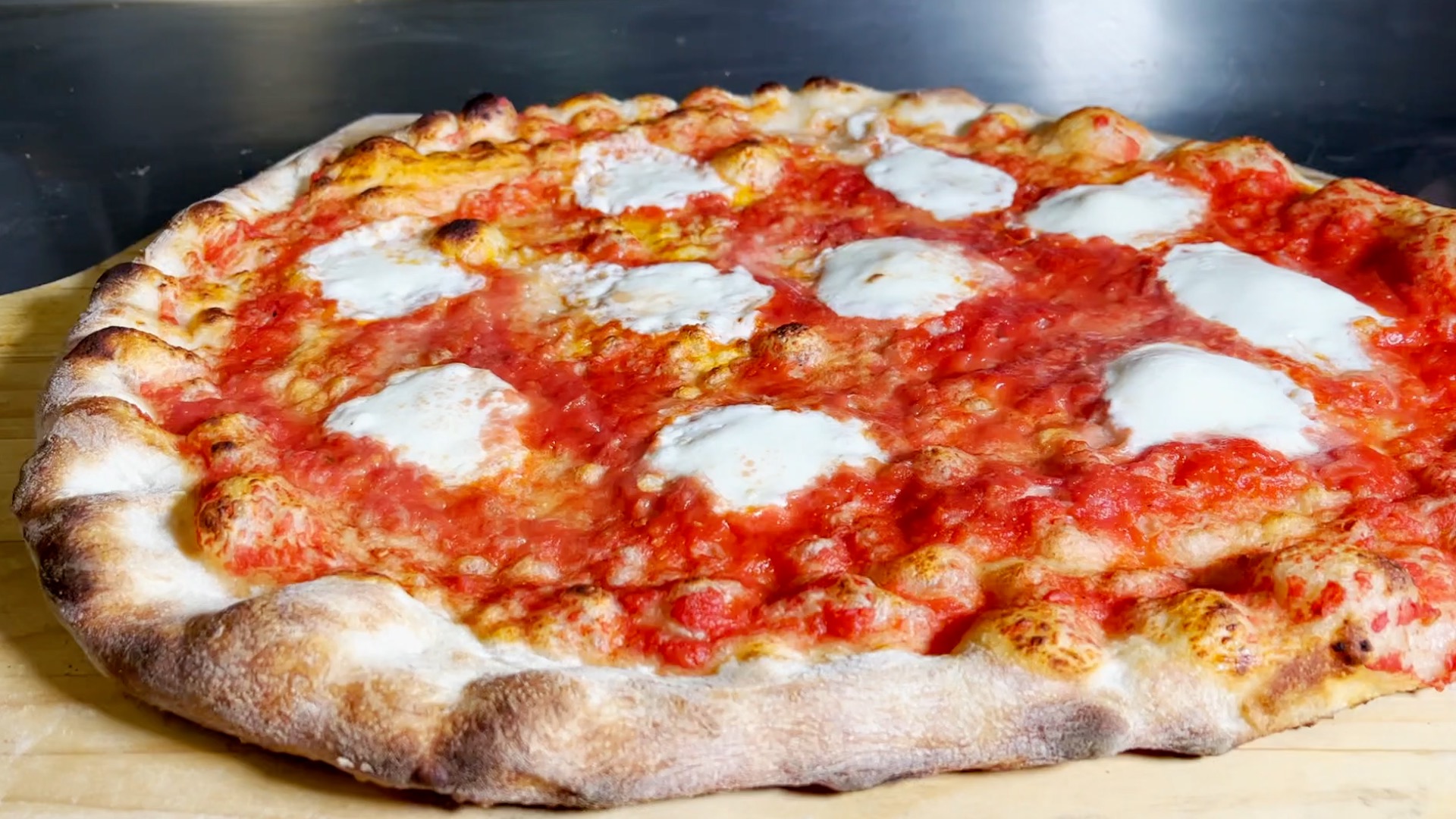
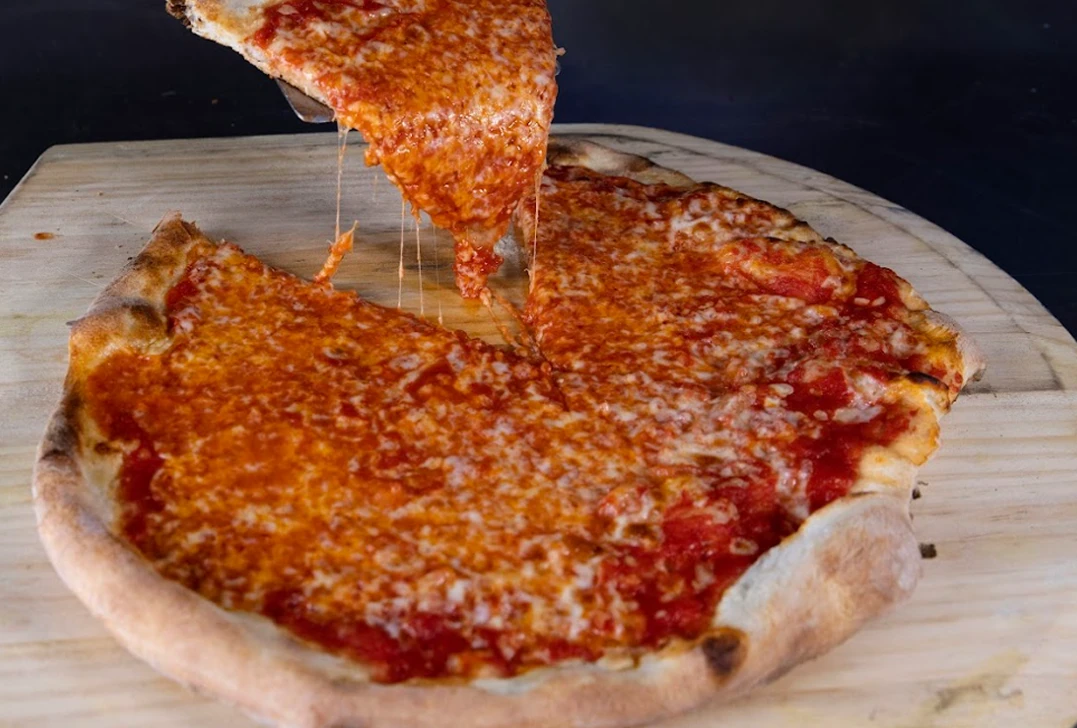
Cheese pizza sounds simple until you care about it. Then it becomes one of the hardest foods to get right. With nothing to hide behind, every part of the pie has to carry its weight. The crust has to bake evenly. The sauce has to bring brightness without flooding the slice. The mozzarella, or blend, has to melt cleanly, brown in the right spots, and stretch without turning rubbery. Even the ratio matters. A few extra spoonfuls of sauce can make a cheese pizza feel heavy. Too much cheese and the top slides off in a single sheet. Too little, and the pie tastes unfinished.
That is exactly why Boulder, Colorado stands out. It is not just a town with pizza places. It is a town where a plain cheese pie gets serious attention. For anyone who judges a pizzeria by its most basic offering, Boulder is a rewarding place to eat.
Part of that comes from Boulder’s food culture. This is a city that has long valued ingredient quality, independent operators, and a certain practical obsessiveness about craft. People here care how bread is fermented, where dairy is sourced, and whether a kitchen is consistent on a Tuesday night, not just during the Saturday rush. That mindset translates well to pizza, especially cheese pizza. You cannot coast on toppings when the customer in front of you notices the crust first.
The kind of town where simple food gets examined closely
Boulder has an unusually strong relationship with everyday food done well. It is a place where people will debate espresso extraction, compare bakery crumb structure, and remember which restaurant changed its supplier six months ago. That may sound fussy from the outside, but there is a benefit for anyone who loves cheese pizza. Restaurants learn quickly that local diners notice details.
In many cities, the default cheese pizza exists mostly as a baseline item on the menu, something ordered for kids, parties, or picky eaters. In Boulder, the baseline tends to be stronger. A cheese pie is more likely to be treated as a legitimate choice rather than an afterthought. That shifts the standard upward. If a pizzeria cannot make a balanced cheese pizza, a community with this level of food awareness will pick up on it.
The student population helps too. College towns often support a healthy pizza ecosystem because demand stays steady, but Boulder adds another layer. The audience is broad. Students want late night slices and affordable whole pies. Families want reliable neighborhood spots. Professionals want quality takeout after work. Cyclists and hikers want carbohydrates and salt after a long day outdoors. Visitors want a meal that feels casual but satisfying. Cheese pizza sits at the center of all those needs, which means pizzerias have every reason to refine it.
The dairy advantage matters more than people think
Colorado is not Italy, New York, or New Haven, and it does not pretend to be. Still, one advantage of the region is access to strong dairy. Good cheese pizza begins with good milk, whether the cheese is made locally or brought in and handled carefully. In a place with a serious agricultural backbone and a market for better ingredients, pizzerias have a better chance of sourcing mozzarella and other cheeses that taste fresh rather than anonymous.
That matters on the plate. On a truly good cheese pizza, the dairy should taste like more than salt and fat. You should get sweetness, a gentle tang, and a clean finish. The cheese should not dominate the sauce so completely that the pie becomes flat. Boulder kitchens that understand this tend to build pizzas with more restraint. The result is often a pie you can eat slice after slice without fatigue.
I have found that in places with strong cheese culture, even casual pizzerias are more careful about how long cheese sits, how it is shredded, and when it goes on the pie. Pre shredded cheese from a large bag behaves differently from fresh cut mozzarella. Moisture levels change browning. Oil release changes texture. These sound like kitchen details, and they are, but they are the details that separate a forgettable cheese pizza from one that makes you stop halfway through the first slice and pay attention.
Boulder rewards places that know their dough
If cheese is one half of the story, dough is the other. Boulder is especially friendly to pizzerias that take fermentation seriously. The local restaurant scene already has an appreciation for bread, grains, and slow processes, so pizza makers who want to work with longer fermentation times are not fighting against the market. Diners may not always use the term fermentation, but they know when a crust tastes alive rather than flat.
That is important because a cheese pizza exposes crust flaws immediately. If the dough is underdeveloped, bland, or gummy, there is nowhere to hide. A pepperoni pie can distract you with spice and rendered fat. A vegetable pie can lean on roasted toppings. A cheese pizza forces you to pay attention to the shell that holds everything together.
Boulder’s better pizza spots tend to understand that crust is not just structure. It is flavor, aroma, and texture. Some go for crisp, thin, foldable slices with a little chew in the center. Others aim for a more blistered artisan style, where the rim chars in spots and the base stays tender. Still others do pan pizza with a caramelized edge. A city does not need every style to be present in equal numbers to be good for cheese pizza enthusiasts. It just needs enough serious operators that the plain pie receives thoughtful treatment across styles. Boulder has that.
The altitude adds a wrinkle, and it is worth mentioning because it affects baking more than many visitors realize. Water boils at a lower temperature at Boulder’s elevation, which changes how moisture behaves in dough and sauce. Bakers and pizza makers in Colorado learn to compensate through hydration, fermentation, proofing time, oven calibration, and bake technique. The good ones do it so well that you stop thinking about altitude altogether. But there is real craft behind that result. Anyone who has tried to bake bread or pizza at elevation without adjusting knows how quickly things can go wrong. A strong cheese pizza in Boulder often reflects a kitchen that has mastered that local challenge.
Simplicity fits Boulder’s broader food values
Boulder is a city that tends to appreciate food that feels direct and well made. That does not mean boring. It means stripped of unnecessary clutter. Cheese pizza lines up perfectly with that preference. A plain pie, when handled well, feels honest. It gives you flour, tomatoes, cheese, oil, salt, and heat. Nothing more is needed.
That simplicity resonates in a place where many diners care about ingredient integrity. They want to taste the tomato rather than a sugar heavy sauce. They want basil used with purpose, not scattered for decoration. They want dough that smells toasted and wheaty rather than merely hot. Cheese pizza becomes a kind of shorthand for trust. When a restaurant can execute the simplest version cleanly, you believe in the rest of the menu.
This is one reason the phrase “Cheese Pizza Boulder, Colorado” means more than a generic search term. It points to a real eating experience in a city where quality cues are easier to spot. If you order a cheese pie in Boulder, you are more likely to be in a place that understands why someone would order that in the first place.
There is enough style diversity to keep a purist interested
A true cheese pizza enthusiast rarely wants only one style forever. Some nights call for a crisp East Coast style slice with browned mozzarella and a light layer of sauce. Other nights call for a wood fired pie with a softer center and leopard spotting on the crust. Sometimes the ideal cheese pizza is a square pan slice with a frico like edge and an airy interior.
Boulder’s pizza scene works because it offers enough variation to make repeated eating interesting while staying compact enough that quality remains visible. In a huge city, excellent pizza can be scattered and inconsistent. In Boulder, the search radius is manageable. You can develop real opinions. You can compare how one shop handles acidity in the sauce against another that leans more milky and mellow. You can notice which places bake a cheese pie just a touch longer for dine in service and which ones underbake slightly to preserve the slice in a delivery box.
That sort of comparison is a pleasure for enthusiasts. Cheese pizza becomes a moving target rather than a fixed product. You are not just asking whether the city has pizza. You are asking how each shop interprets the plain pie, what trade offs it embraces, and what mood each style suits best.
The dining habits of Boulder favor repeatability
One underrated quality in any pizza city is repeatability. A place can make one beautiful pie on a slow Wednesday, but that does not tell you much if the kitchen falls apart during a weekend rush. Boulder’s rhythm helps good operators build consistency because pizza here is not only special occasion food. It is weekday food, post hike food, family dinner food, and casual gathering food. Volume matters. Kitchens that serve cheese pizzas steadily get more chances to refine the process.
Repeatability shows up in ways enthusiasts notice immediately. Does the crust stay crisp for the first ten minutes, or does it slump? Does the cheese coverage look intentional, or does it vary wildly from pie to pie? Does the sauce stop at the right point, leaving a rim that can blister properly? Is the center set enough that a slice lifts cleanly? These are not glamorous questions, but they define whether a place is worth revisiting.
In Boulder, enough customers care about everyday quality that pizzerias cannot rely only on branding, decor, or novelty toppings. They have to produce a dependable pie. That creates a strong environment for the cheese pizza lover, who often values consistency as much as brilliance.
Outdoor culture oddly makes pizza better
At first glance, hiking trails, climbing gyms, and mountain views do not seem directly related to cheese pizza. In practice, they shape the food economy in useful ways. Active towns create healthy demand for satisfying, carbohydrate rich meals that feel restorative without being fussy. Pizza fits perfectly, and cheese pizza in particular tends to perform well because it is familiar, shareable, and easy to pair with salads, beers, or nothing at all.
There is also a psychological element. After a long ride or cold afternoon outside, your palate sharpens toward comfort. A really good cheese pizza hits that sweet spot between indulgence and clarity. The crust gives structure and chew. The sauce wakes up the appetite with acid. The cheese softens everything. Boulder has a lot of moments that make this kind of food feel exactly right.
That demand encourages pizzerias to think about how their pizza actually eats. A cheese pie in an outdoor town cannot just look good on the pass. It needs to reheat reasonably well, travel acceptably, and satisfy hungry people without collapsing into grease. Those practical expectations make for better pizza across the board.
Casual does not mean careless here
Another reason Boulder works for cheese pizza enthusiasts is that informality and quality are not treated as opposites. Some of the best food experiences in town happen in unpretentious spaces. You might order at a counter, sit on a patio, and eat from a metal tray or cardboard box. That setup can fool outsiders into underestimating the food. It should not.
Pizza thrives in cities where operators understand that excellence does not require ceremony. A serious cheese pizza can come from a polished dining room, but it can also come from a loud neighborhood spot where the music is up and the napkins are stacked by the soda machine. Boulder tends to judge the pie on its merits. That is healthy for the pizza scene because it lets craft survive in accessible formats.
For cheese pizza lovers, accessibility matters. You want a city where ordering a plain pie on a random evening still feels rewarding. Boulder delivers on that more often than many places with flashier reputations.
The best shops understand restraint
A lot of restaurants, in every city, overcomplicate pizza because they confuse abundance with value. More cheese, more toppings, more drizzle, more sweetness in the sauce, more everything. Boulder’s stronger pizzerias often resist that instinct. They understand that a cheese pizza is a composition, not a pile.
Restraint is harder than excess. It requires confidence in ingredients and judgment in execution. A restrained cheese pizza has enough sauce to register clearly, enough cheese to create richness, enough bake to develop flavor, and enough crust to frame the whole thing. Nothing shouts. Everything supports.
This can be especially impressive in Boulder because local diners often have broad food literacy. They know what balanced food tastes like. They are used to restaurants that think carefully about acidity, salinity, and texture. A pizza maker who overshoots on any of those fronts is unlikely to fool people for long.
Where visitors sometimes get it wrong
People visiting Boulder sometimes chase the most loaded or distinctive specialty pies, assuming those will reveal the most about the local scene. That can be fun, but it is not always the best measure. If you want to know whether a pizzeria deserves your time, order the cheese pizza first.
This is not snobbery. It is practical. The plain pie tells you how the kitchen handles dough, sauce, cheese, and bake without distraction. It also tells you whether the place respects the customer who wants simplicity. In Boulder, where the overall food conversation is more mature than the city’s size might suggest, that respect tends to show.
Visitors also underestimate how much timing changes the experience. A fresh cheese pizza eaten in house is one thing. The same pie, boxed for twenty minutes, becomes another. Steam softens crust. Cheese sets. Sauce redistributes heat. If you are serious about evaluating a place, eat there when possible. If you need takeout, choose a style that travels well or accept that the pie should be judged on different terms. Boulder’s pizza spots vary here, as all pizza spots do, but the stronger ones account for those realities.
What makes a memorable Boulder cheese pizza
There is no single Boulder style, and that is a good thing. Still, memorable cheese pizzas in the city often share a few traits. The crust usually has real flavor on its own, not just texture. The sauce tends to stay bright instead of sugary. The cheese is generous but not suffocating. The pie feels balanced enough that you can eat two slices quickly and still want a third.
You also tend to notice care in the small choices. The rim is left bare enough to bake properly. The bottom has color, not pale softness. The cheese browns in spots rather than turning into a uniform white blanket. The slices separate cleanly. The pie smells like toast, tomatoes, dairy, and heat, which sounds obvious until you eat one that smells only of oil.
Those sensory details matter because cheese pizza is so immediate. You know within one bite whether the shop understands the form. Boulder provides enough places that do understand it to make the city genuinely appealing for enthusiasts.
A city that supports the long game
Perhaps the strongest case for Boulder is that it supports food businesses trying to improve over time. Good pizza is not static. Dough formulas change with the weather. Ovens get recalibrated. Staff gain or lose experience. Suppliers shift. A Cheese Pizza Boulder, Colorado healthy pizza city is one where operators can make adjustments and customers notice the difference.
Boulder’s dining culture is unusually well suited to that long game. People pay attention. They come back. They talk. That can be unforgiving, but it also rewards ambition and discipline. For the cheese pizza lover, that means the scene stays alive. A shop is not locked into whatever version it launched with. It can become more precise, more balanced, and more confident.
That is a real advantage over towns where pizza remains a low expectation category. In those places, a decent pie is enough. In Boulder, decent does not hold attention for long. Something better is expected, even from a humble cheese pizza.
Why the plain pie feels at home here
At its best, Boulder combines curiosity with standards. It likes craft, but it also likes usefulness. It appreciates local identity, but it does not need every food to become a performance. Cheese pizza fits neatly inside that culture. It is familiar, practical, and deeply revealing. It lets skilled pizza makers show what they know without overexplaining themselves.
For enthusiasts, that makes Boulder more than a scenic college town with some good restaurants. It makes it a place where the plainest pizza on the menu can still be the smartest order. The city’s ingredient awareness, bread culture, dairy access, active lifestyle, and everyday demand all feed into that outcome. Not every pie will be perfect, and not every shop will match every preference. That is part of the point. A good pizza city should offer room for argument.
Boulder does. And if your idea of pizza happiness starts with crust, sauce, and melted cheese, that argument is worth having here.
Brooklyn Pizza
Address: 1647 Arapahoe Ave, Boulder, CO 80302
Phone number: +17203282324
FAQ About Cheese Pizza Boulder, Colorado
What is usually on a cheese pizza?
A standard cheese pizza consists of a yeast dough crust, a seasoned tomato-based sauce, and melted mozzarella cheese.
What is a cheese pizza called?
A basic cheese pizza is simply called a cheese pizza, a plain pizza, or a plain pie.
What is the best recipe for cheese pizza?
The best cheese pizza recipe uses high-heat baking, a simple raw tomato sauce, and a mix of low-moisture and fresh mozzarella cheese on a homemade yeast dough.